Whoa!
I still remember the first time I tried to move an SPL token and my wallet crashed mid-send.
That freaked me out — seriously it did — because I had no easy way to track or reverse anything, and Solana confirmations felt deceptively fast.
Initially I thought browser wallets were just convenience tools, but then I realized they actually shape how you interact with DeFi and NFTs at the protocol level, for better and for worse.
If you use Solana regularly, your wallet extension is the interface between you and a fast-moving, sometimes messy financial world, and that matters more than you think.
Wow!
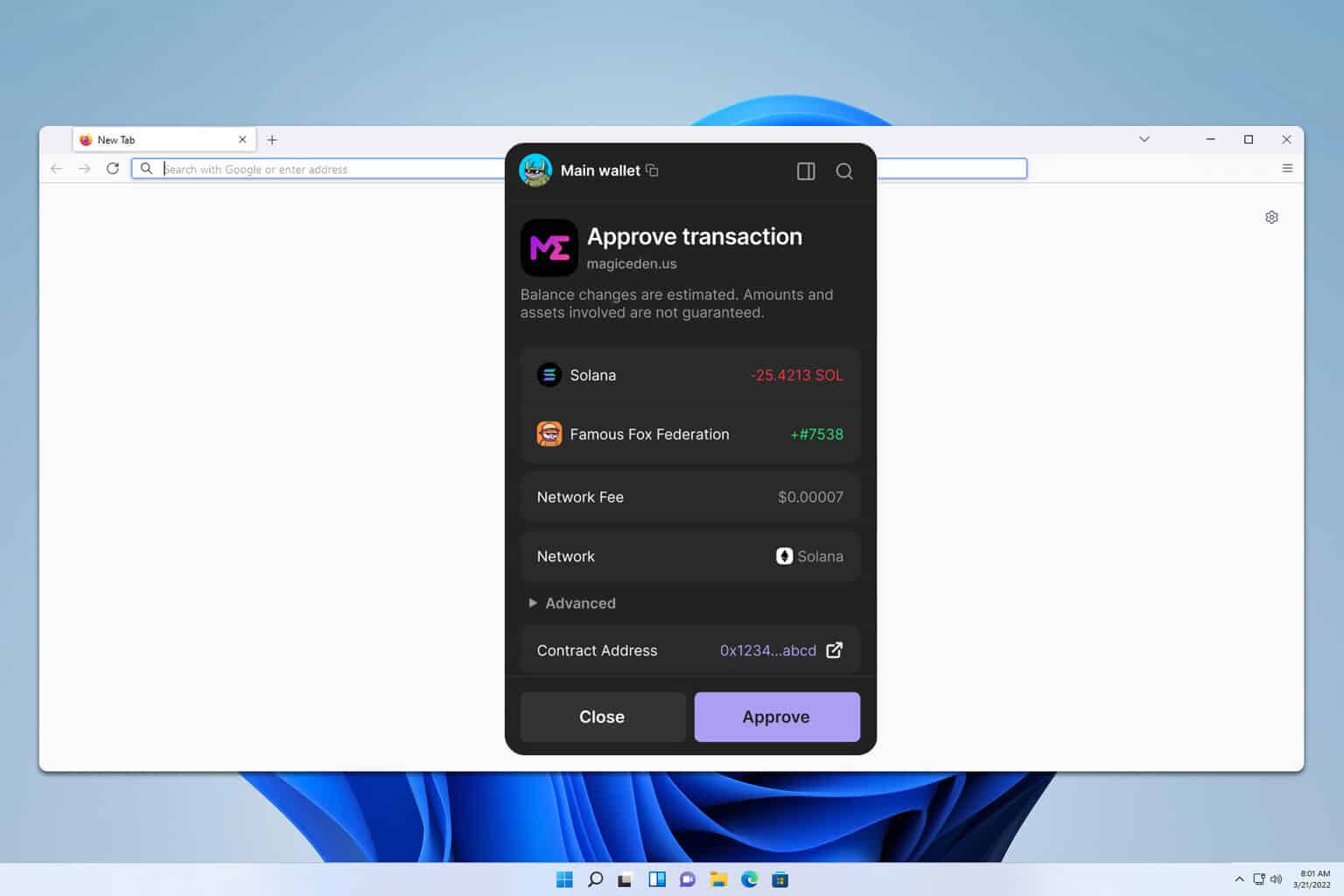
Phantom felt different from day one; the UX is clean and the permissions prompts are clearer than a lot of other extensions I tested.
My instinct said “this is usable” and that matters when you’re juggling DeFi farms, NFT drops, and airdrops across projects.
On the other hand, ease-of-use can breed carelessness — you tap approve too fast, and you’ve signed a garbage transaction.
So yeah, user experience matters, but security paradigms underneath the pretty UI matter even more.
Here’s the thing.
DeFi on Solana moves at a cadence that rewards decisiveness, and a responsive wallet helps you act quickly without being reckless.
Practically, that means features like hardware wallet support, transaction simulation, and clear fee previews are non-negotiable for me.
(Oh, and by the way, transaction previews that hide program calls drive me nuts. I want to know what’s being routed where.)
When a wallet extension surfaces meaningful details without overwhelming you, it becomes telepathic—almost like it understands what you need before you click.
Seriously?
Security isn’t just about seed phrases in a drawer; it’s about how the extension isolates permissions, handles RPC endpoints, and warns you about risky program interactions.
My early impression was naive — I thought a seed phrase stored offline was the end of the story — but then I watched a phishing prompt spoof a dApp and nearly trick a friend.
Actually, wait—let me rephrase that: phishing is the bigger problem now, because scammy front-ends can mimic the look-and-feel of legit dApps almost perfectly.
On one hand you want one-click convenience for swaps and staking, though actually you need friction at the right moments, such as when an unknown program requests wide approvals.
Hmm…
NFT collectors need a slightly different balance than day traders in DeFi; they want clear asset views and gallery integrations, plus the ability to sign lazy-mint or metadata updates safely.
I found Phantom’s collector tools surprisingly helpful for managing multiple collections and signing listings on marketplaces, but some workflows still felt clunky.
One of the things that bugs me is the inconsistent handling of delegated approvals across marketplaces — very very inconsistent, actually.
Something felt off about how some wallets batch permit approvals; my intuition (and experience) says smaller, granular approvals reduce blast radius if something goes wrong.
Whoa!
Performance matters too—when Solana spikes, RPC endpoints get noisy and wallets that let you switch to reliable providers (or that cache less aggressively) will save you grief.
Initially I thought every RPC was more or less the same, but then I saw timeouts and failed confirmations stack up during a drop, and that changed my mind.
On the flip side, too many manual toggles make the extension feel like a power tool for only advanced users, which is a trade-off teams keep wrestling with.
My recommendation: pick a wallet that offers sensible defaults, but makes advanced controls discoverable without overwhelming newbies.
How to get set up (and a simple, practical tip)
Okay, so check this out—if you want to try Phantom as your browser wallet (and keep things tidy), install the official-looking extension carefully and test it with small amounts first.
I always recommend creating a fresh wallet, funding it with a dollar or two, and doing a low-value transfer before trusting it with anything meaningful.
If you need the extension, you can find the phantom wallet download extension link there; double-check the URL and extension publisher—somethin’ as small as a character change can be the difference between safe and scam.
My approach is conservative: hardware sign for large holdings, separate wallets per use-case, and a small “hot” wallet for drops and quick trades.
That setup takes a little discipline up front, but it saves headaches later (and you get to sleep better at night).
Really?
Yes—there’s always a friction vs. speed trade-off.
On the one hand developers want seamless flows for onboarding, and on the other hand users demand safe defaults that prevent catastrophic mistakes.
Balancing that is part art, part engineering, and part behavioral nudging—wallet teams that get it right will push adoption forward without sacrificing user funds.
I’m biased, but I think the next wave of wallets will win on smart defaults plus modularity for advanced users.
Common questions
Is Phantom only for NFTs or for DeFi too?
Both. Phantom supports NFTs, token management, swaps, and interactions with DeFi protocols on Solana.
Collectors will like the gallery and listing flows, while traders and yield farmers benefit from integrated swap and program-interaction UX.
That said, if you’re into heavy-duty permissioned DeFi strategies, pairing Phantom with a hardware wallet or a dedicated desktop client is wise.
How do I avoid phishing and fake dApps?
Keep three habits: confirm the URL, use an allowlist mindset (don’t auto-approve permissions), and test with tiny amounts first.
Also, check the extension publisher and read community chatter—Discord and Twitter often light up quickly when a scam shows up.
I’m not 100% perfect at this, but those checks have saved me from dumb mistakes more than once.
Can I use Phantom with a hardware wallet?
Yes. Most major hardware wallets integrate with modern Solana extensions, allowing you to sign critical transactions offline.
For long-term holdings, that’s the move I trust the most—hardware for large sums, browser extension for day-to-day play.
It adds a tiny bit of friction, but honestly that’s what keeps you from losing a lot when things go sideways.